Business Hours: Thursdays 09:00-18:00 and Saturday 09:00-18:00
Services
Providing the protection your pets need
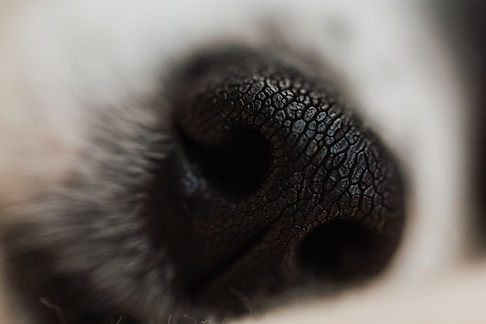
Puppies Vaccination
Once your puppy is 6–8 weeks old, they can begin their primary vaccination course. This initial course typically consists of two to three injections, administered 2–4 weeks apart, depending on local disease risk.
Some puppies may already have received the first vaccine in this series while still with their breeder.
During the primary course, your puppy will be vaccinated against several core infectious diseases, including:
-
Canine distemper virus
-
Canine parvovirus
-
Infectious canine hepatitis (adenovirus)
-
Leptospirosis
Where appropriate, and depending on lifestyle and exposure risks, we may also recommend additional vaccines such as:
-
Kennel cough (Bordetella B. and/or parainfluenza)
-
Rabies vaccine (required for travel away from UK)
After your puppy’s second vaccination, we advise waiting two weeks before introducing them to public spaces to ensure they have developed adequate immunity.
Ongoing protection
Once your puppy has completed the full primary course, they will only require annual booster vaccinations to maintain strong and lasting protection throughout their life.
We will guide you on the most suitable ongoing vaccination schedule based on your dog’s health and risk factors.
We recommend that the entire primary vaccination course is completed using vaccines from the same manufacturer to ensure optimal and consistent immune protection.

Kitten vaccination
Once your kitten is 8–9 weeks old, they can begin their primary vaccination course. This initial course usually consists of two injections, given 3–4 weeks apart, depending on local risk factors.
Completing this series is essential to help your kitten develop strong, long-lasting immunity during the most vulnerable stage of their life.
Kittens are vaccinated to protect them against several serious and highly contagious diseases, including:
-
Feline panleukopenia (Feline parvovirus) – a life-threatening viral infection causing severe vomiting, diarrhoea, and immune suppression.
-
Feline calicivirus (FCV) – a major cause of cat flu, leading to fever, mouth ulcers, and respiratory signs.
-
Feline herpesvirus (FHV) – another common cat flu virus, known for causing eye infections, sneezing, and chronic respiratory illness.
These vaccines significantly reduce the risk of severe illness, help prevent outbreaks, and protect vulnerable cats in multi-cat households and the community environment.
After the second vaccination, we recommend waiting two weeks before allowing your kitten outside or mixing with cats from other households. This ensures they are fully protected.
Ongoing protection
Once your kitten’s primary course is completed, they will require annual booster vaccinations to keep their immunity strong.
We will advise the most appropriate schedule based on your cat’s lifestyle and risk of exposure.
We recommend that the entire primary vaccination course is completed using vaccines from the same manufacturer to ensure optimal and consistent immune protection.



Rabbit vaccination
Rabbits in the UK are vulnerable to several highly infectious—and often fatal—diseases.
Keeping your rabbit up to date with their annual vaccination is essential for their long-term health.
Rabbits should be vaccinated yearly against:
-
Myxomatosis
-
Rabbit Haemorrhagic Disease (RHD1 & RHD2) – rapidly fatal viruses that can spread through direct contact, contaminated bedding, insects, or even on clothing.
Regular boosters are vital, even for indoor rabbits, as these diseases can enter homes via insects, hay, or human clothing. Your vet will guide you on the most suitable vaccination schedule for your rabbit.

Arthritis injections for dogs and cats
Arthritis injections have many benefits.
They are non invasive compared to surgical options, often have limited side effects, and are well tolerated by dogs. The improvement in mobility, joint health, pain and quality of life through using these medications is often significant. You can use more than one injection type at the same time to provide multiple treatments for the treatment of arthritis.

Allergy treatment and injections for dogs and cats.
Our mobile veterinary clinic provides allergy injections to help relieve itching, inflammation, and discomfort caused by allergic conditions in cats and dogs. Treatments are tailored to your pet’s individual needs and can be administered safely in the comfort of your home, reducing stress and anxiety.
Allergy injections can be used as part of a wider allergy management plan to improve your pet’s comfort and quality of life.

Sample collection
Our mobile veterinary clinic offers convenient sample collection in the comfort of your pet’s own environment. We can take blood samples as part of routine health screening or to help diagnose and investigate a wide range of medical concerns.
We also collect tissue and skin samples for the assessment of dermatological conditions. All samples are carefully handled and sent to trusted external veterinary laboratories, ensuring accurate, high-quality diagnostic results to sup
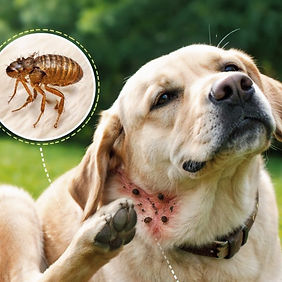
Flea and worming
Keeping your pet up to date with regular parasite treatment is essential for their health and wellbeing. Our mobile veterinary clinic allows us to discuss parasite prevention with you in the comfort of your home, taking the time to assess your pet’s lifestyle and individual needs. Together, we’ll create a tailored parasite control plan that offers effective, long-term protection for your pet.